


I don’t enjoy many people. That’s true in life. And it’s especially true in specialty coffee. The industry has no shortage of loud voices, inflated egos, and people who mistake visibility for depth. Over time, you learn to recognise the difference.
Jane Espante is one of the few people I genuinely enjoy being around.
In fact, she’s one of my favourite people in the UAE specialty coffee scene. Every interaction I’ve had with her has been uplifting in the simplest sense of the word. There’s laughter. There’s warmth. There’s also real conversation, the kind that doesn’t feel rehearsed or transactional.
I’ve also worked with her. When Jane became the UAE Coffee in Good Spirits Champion, I asked if she would host a small session for a group of enthusiasts. The idea was simple. Walk people through the recipes that won her the competition and explain the thinking behind them. She said yes without hesitation. She delivered the session with her usual enthusiasm and positive energy, and people left feeling capable rather than intimidated.
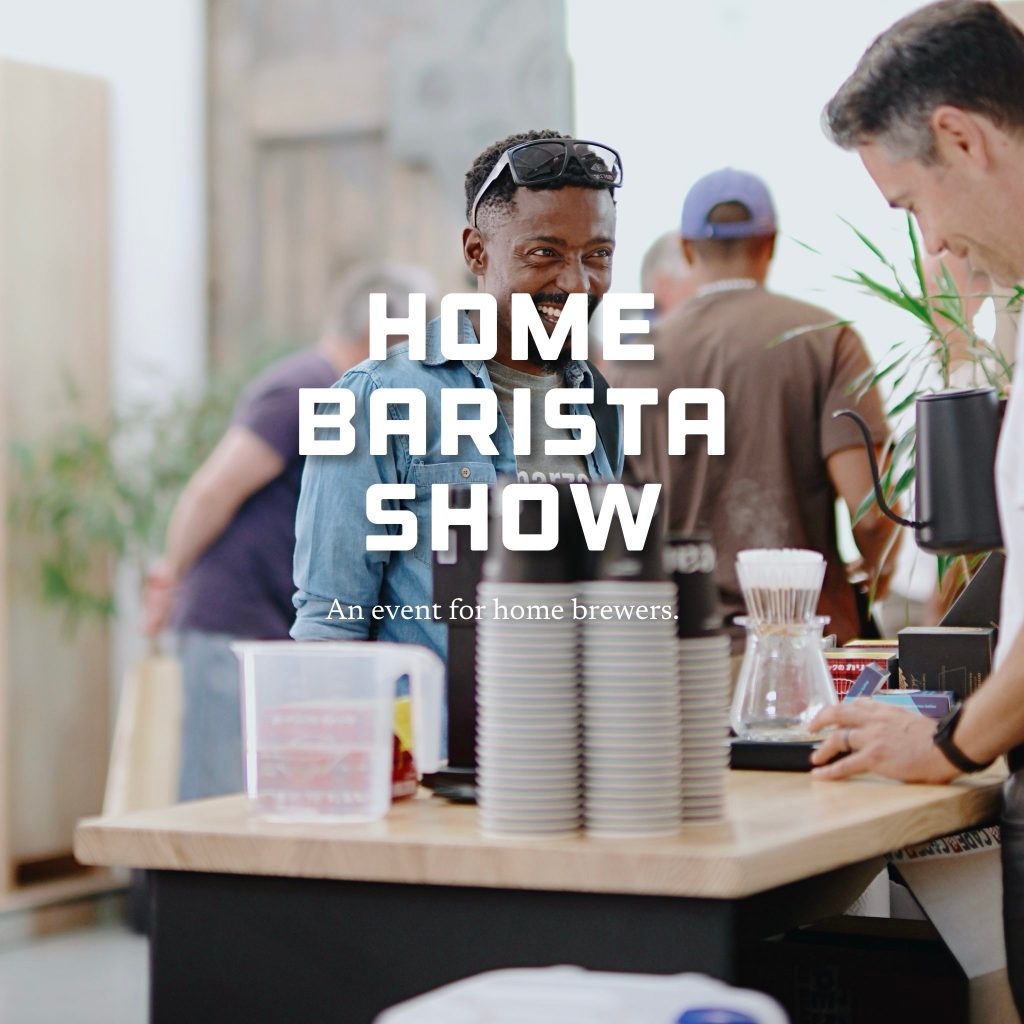
Later, when I launched The Home Barista Show, I asked her again. Once again, she agreed. Her session ended up being one of the most attended talks on the programme.
Because of that history, I wasn’t surprised when she won the 2026 World Cezve Championship. I was genuinely happy that someone so deserving got the trophy. It felt earned. It felt honest.
There has already been plenty written about her victory. This interview takes a different approach. It focuses on the person behind the title, the reality of preparation, and what stays once the applause fades.

For readers who don’t know you at all, how would you introduce yourself? Who is Jane, and what does your life in the UAE look like today?
I’m Jane, a coffee professional, trainer, and most recently the 2026 Ibrik Cezve World Champion. I am from the Philippines and have been based in the UAE for more than a decade. My life in coffee started very simply. I was a F&B crew member who knew nothing about coffee. I fell in love first with latte art and that curiosity slowly grew into a deeper passion for coffee itself. Over time, I worked my way up and invested so much to become a trainer.
Life in the UAE today is a balance of many roles. My days usually start early with my kids, one heading to school and one still a baby, then moving into coffee training, quality checks at work, and competition preparation. In between, I make space for family and friends.
The UAE has given me so many opportunities for growth and I am always grateful for that. Representing the country on the world stage is something I’m very proud of.
You’re a coffee professional, but you’re also a wife and a mom. How does having a family change the way you think about competing and about winning?
Not everyone realizes how difficult it really is. Competition takes a huge amount of time, time that would normally belong to my children and my family.
But in the end, those sacrifices are for them, for their future. Competing gives you opportunities for growth, but it also allows you to discover yourself and understand what you are truly capable of. Winning becomes proof that the work and the sacrifices were worth it. It opens doors, creates new opportunities, and reassures you that you are on the right path.
When your name was announced on stage, what was the first real thought that went through your head?
Honestly, disbelief followed immediately by gratitude. I didn’t expect it at all. I was already feeling low, already preparing myself for the idea that I didn’t get it.
When it finally sank in, I thought about the long practice hours. I thought about my team and everyone who stayed with me and sacrificed their own time to help with our preparation. It felt like a deep exhale, like everything aligned in that one moment. All their efforts were paying off. Winning felt like the only way to give back.
I’m still emotional thinking about it.
In the months before the competition, what did preparation actually look like for you day to day?
I learned that preparation is not about perfection, it’s about consistency and trusting the process. All of us had our own jobs and early mornings, so most of our practice happened in the evenings after work, often late into the night. Sleep was limited. For more than a month, I was getting a maximum of five hours of sleep, six if I was lucky, and the same was for my coaches, Romeo, Kemal, and Karen as well.
Romeo is the kind of coach who won’t sleep if we haven’t nailed the workflow, the script structure, or the overall performance. Almost every day, we made changes, sometimes even just days before the competition. If it was needed to win, we did it, no matter how little time was left. Kemal was the same when it came to coffee and concept development. Having them on the team made the daily practice easier and stronger at the same time.

I imagine standing on a world stage can feel overwhelming. What helped you stay focused and do what you’d trained to do?
Deep breathing helped me more than anything. Before starting, I focused on my breathing until I felt calm and my heartbeat slowed down. In every competition, I never rush it. I always take my time and focus only on being present in that moment. Once I felt ready, I trusted my preparation. That trust allowed me to do what I have been trained for throughout the performance.
Looking back now, why do you think you won? What do you feel came through in your performance that day?
All the competitors were amazing. Absolutely amazing. Some of them already had experience on the world stage.
What I believe made the difference was our attention to detail. We studied the rules and scoresheet deeply to fully understand them. From the coffees we chose, to the tools we used, to the message we wanted to share, and the experience we wanted the judges to feel. There was intention behind every decision we made. Nothing was random.
Beyond that, it was the confidence built through preparation. That combination allowed the performance to come together in a very strong way.
For someone thinking about competing but holding back, what would you say to them from your own experience?
Start. That’s the hardest step, but it has to be the first even if you don’t feel ready. You will never feel 100% prepared, and that’s okay. Competition is not just about winning. You grow, you discover yourself, and you learn to push your limits.
Even losing can be a win if it helps you understand yourself better. And once you have done it once, the next one becomes easier.
Now that this chapter has closed, what’s next for you? Where does your energy go from here?
Right now, my energy is focused on giving back to my team, my community, and the next generation of coffee professionals. I want to share what I have learned and continue advocating for cezve brewing. It is not very visible in modern specialty coffee, and my goal is to push it forward through collaborations, education, and inviting more people to experience it. The experience cezve coffee offers is incredible, and it is what inspired me to compete in the first place.
At the same time, I am preparing for the World Coffee in Good Spirits Championship this June in Brussels. It’s another challenge, and I am excited to bring everything I have learned into this next one.

Of course, Jane’s win was also a win for the United Arab Emirates. She put the the country firmly on the specialty coffee map. And if you believe it was already there, she helped cement it. Not simply as a place with world class cafes and polished experiences, but as a country producing world class specialty coffee professionals.
Industries are shaped by people, not spaces. They are defined by standards, by generosity, and by how success is carried forward.
Jane didn’t just win a title. She strengthened the UAE’s place in the global coffee conversation. And for me, she did something else as well. She reminded me that, every so often, the best people really do get the recognition they deserve.
Discover more from FLTR Magazine
Subscribe to get the latest posts sent to your email.




1 Comment