


Specialty coffee talks a lot. There are panels. Competitions. Podcasts. Instagram Lives. Cafés mic up their bars. Roasters livestream cuppings. People speak on trade show stages like they’re pitching startups. And yet, for all the noise, the industry still struggles to say anything that really speaks to people who are not already inside the bubble.
You can hear it in how we describe quality. In who we celebrate. In what our menus assume. In who gets access to the real stuff. The language might be open, but the message is always the same: this is for us.
I’ve worked in this space for a while now. I love it. But we have to be honest. Specialty coffee has built an industry that mostly talks to itself. And if you’re not already in the room, you’re probably not going to be invited in.
That’s not an insult. It’s an observation. And it’s one we need to take seriously if we want more people to care about what we’re building.
What specialty coffee got right
The last two decades have been incredible for specialty coffee. We’ve seen a rise in traceability, better roasting, new processing styles, and more transparency at origin. Cafés have improved. Baristas are more skilled. The equipment has gotten better. The level of passion is undeniable.
But somewhere along the way, the circle stopped growing. It turned inward.
Today, the language of specialty coffee feels less like an invitation and more like a password. Café menus read like codes. Content is made to impress peers, not help outsiders. Events feel like reunions. For insiders. And instead of meeting people where they are, we’ve built a world that rewards those who already speak the language.
I don’t believe this happened on purpose. But that doesn’t change the outcome.

Why the home brewer matters more than ever
There is one group that specialty coffee keeps forgetting about. The home brewer.
They’re not invisible. You see them on Reddit. On Instagram. In your cafés. On your comment threads. They’re the ones asking questions. Watching your videos. Buying gear that most cafés can’t afford.
And yet, the industry rarely creates anything for them.
Yes, there are a few home-focused products. Some workshops. A handful of YouTube channels that take beginners seriously. But most of what the industry creates is still designed for other professionals.
This is a mistake.
If we want the specialty coffee world to grow, we need new people. New energy. And a new kind of relevance. The curious home brewer is the most obvious place to start. They’re already interested. They’re already trying. They just need someone to stop talking over them.
If you want to grow, change who you talk to
We all say we want more people to care about quality. We want the industry to be respected. We want customers who understand the value of better coffee. We want baristas to stay in the profession longer. We want real conversations about sustainability.
But none of that happens unless we start changing who we speak to.
Growth doesn’t come from better equipment or higher scores. It comes from inclusion. It comes from teaching. It comes from sharing what we know in ways that more people can actually use.
If you want more people to care about better coffee, help them make better coffee. If you want customers who value good beans, show them how to taste. If you want the next generation of baristas to enter with purpose, start inspiring them before they get their first job.
We are not going to build the future of specialty coffee by refining it further inward.

Why I created The Home Barista Project
I built The Home Barista Project because I was tired of watching the industry speak only to itself. I didn’t want to add to the noise. I wanted to build a place for people who care, but who’ve never felt included.
The Home Barista Project is a response. It’s also a commitment. It’s my way of saying: if no one else will take the home brewer seriously, I will.
This isn’t about dumbing things down. It’s about meeting people where they are. We make content that’s clear. Practical. Focused. We answer the questions people are really asking. We explain how things work. We break down gear without jargon. We avoid the posturing and performance.
Everything we publish is for people who want to brew better coffee at home. No pressure. No gatekeeping. Just useful tools, honest insights, and respect for the people behind the cups.
Why I launched The Home Barista Show
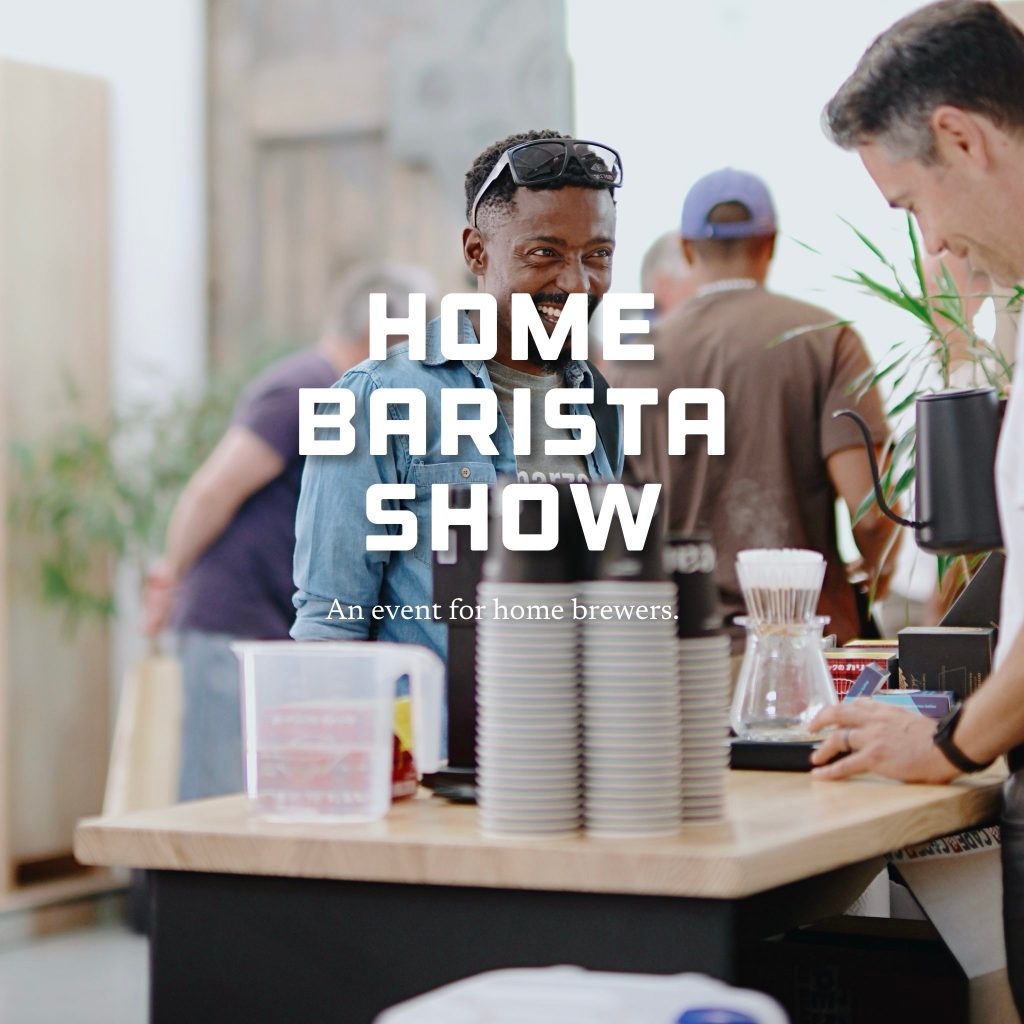
But I knew the idea had to live beyond the screen. So I created The Home Barista Show.
The first one happened in Dubai. On a Saturday afternoon. We had ninety attendees. Seventy-five of them paid for a ticket. No one needed a media pass. There were no velvet ropes. Just home brewers, baristas, roasters, and equipment specialists sharing ideas.
We focused on espresso. We hosted talks. We gave people time to ask questions. People brewed. Tasted. Compared grinders. Talked about water. You didn’t need a certificate to feel like you belonged.
And it worked.
Now we’re planning the second edition. New city. New brewing focus. New energy. This time, we’re going bigger. The goal is not just to repeat the event. It’s to grow it into something international. A global space where home brewers are treated with the same seriousness and curiosity as professionals.
Because many of them are professionals. Just not in coffee.
What inclusion really means in coffee
We talk a lot about inclusion in specialty coffee. But the truth is, most of the time, it’s just talk.
Inclusion is not about policies. It’s not about hashtags. It’s not about panel discussions or competition rules. Inclusion is about who you choose to speak to. And how seriously you take them.
Do you explain your process? Do you share what you know? Do you price fairly? Do you answer questions without judgement? Do you imagine your space welcoming someone who doesn’t know the difference between washed and natural?
If not, then you are not actually building an inclusive coffee business. No matter what your Instagram says.
If you work in coffee, here’s what I’m asking
If you’re a roaster, create content for the curious, not just the converted. If you’re a café owner, think about how your space makes a home brewer feel. Not just the one who already knows what to order. The one who doesn’t. If you’re a barista, remember that the person across the counter might be just one honest conversation away from falling in love with this craft. If you’re in charge of a brand, rethink who you imagine your audience to be.
The future of specialty coffee depends on who we decide to include.

This is only the beginning
I created The Home Barista Project because I believe that home brewers deserve more. I created The Home Barista Show to prove that the community is real.
But this is not about me. It’s about the people who show up with questions and leave with conviction.
If you’re a home brewer, this is your space. If you’ve ever felt shut out of specialty coffee, this is your invitation.
And if you’re already in the industry, now’s a good time to step outside your circle.
The door is open.
Discover more from FLTR Magazine
Subscribe to get the latest posts sent to your email.




5 Comments